
SEO for Business Websites: Getting Started
A focused SEO plan built around audience questions, useful service pages, technical access and measurable enquiries.

Start business SEO by deciding which customers you can genuinely help and what they need to understand before contacting you. Publishing more pages is not automatically a strategy. A small set of clear, useful destinations is a better foundation than many near-duplicate pages targeting slightly different phrases.
Map search intent to a useful destination
List customer questions at different stages: understanding a problem, comparing approaches and choosing a provider. Match each important intent to a page that can answer it thoroughly. A service page should explain scope and process; an educational article can explain a concept or decision without pretending every reader is ready to buy.
Make the core pages complete
Use descriptive titles, a clear main heading and content that answers practical questions. Explain what is included, who the service fits and what information is needed to start. Link related pages naturally. Avoid inserting a location into every paragraph or producing unsupported claims about being the best.
Check the technical foundation
Ensure the intended pages can be crawled and do not accidentally carry noindex directives. Review canonical URLs, valid language alternates and the sitemap. Technical fixes enable access and interpretation; they do not guarantee a position in results. Use our technical SEO guide for the distinction.
Establish a useful measurement baseline
Use Search Console to understand relevant search visibility and an appropriate analytics setup to understand on-site actions. Define a meaningful enquiry outcome, not just a visit or button click. Consider privacy and data minimisation when implementing measurement; avoid sending customer messages or contact details as analytics parameters.
Improve in a deliberate cycle
Choose a page with a clear audience and a specific information gap. Update the explanation, supporting evidence or next step, then review comparable periods. Search performance can change for many reasons, so maintain a record of releases and campaigns.
A sensible first plan is one strong service destination, several genuinely helpful supporting articles and a working enquiry journey. Expand when there is a distinct audience need, not merely a list of keywords.
Sources & further reading
- SEO Starter Guide — Google Search Central
- Performance report — Google Search Console
- Key events — Google Analytics
Examples and decision frameworks are planning guidance, not guaranteed outcomes. Check current provider requirements before implementation.
Related articles
View all →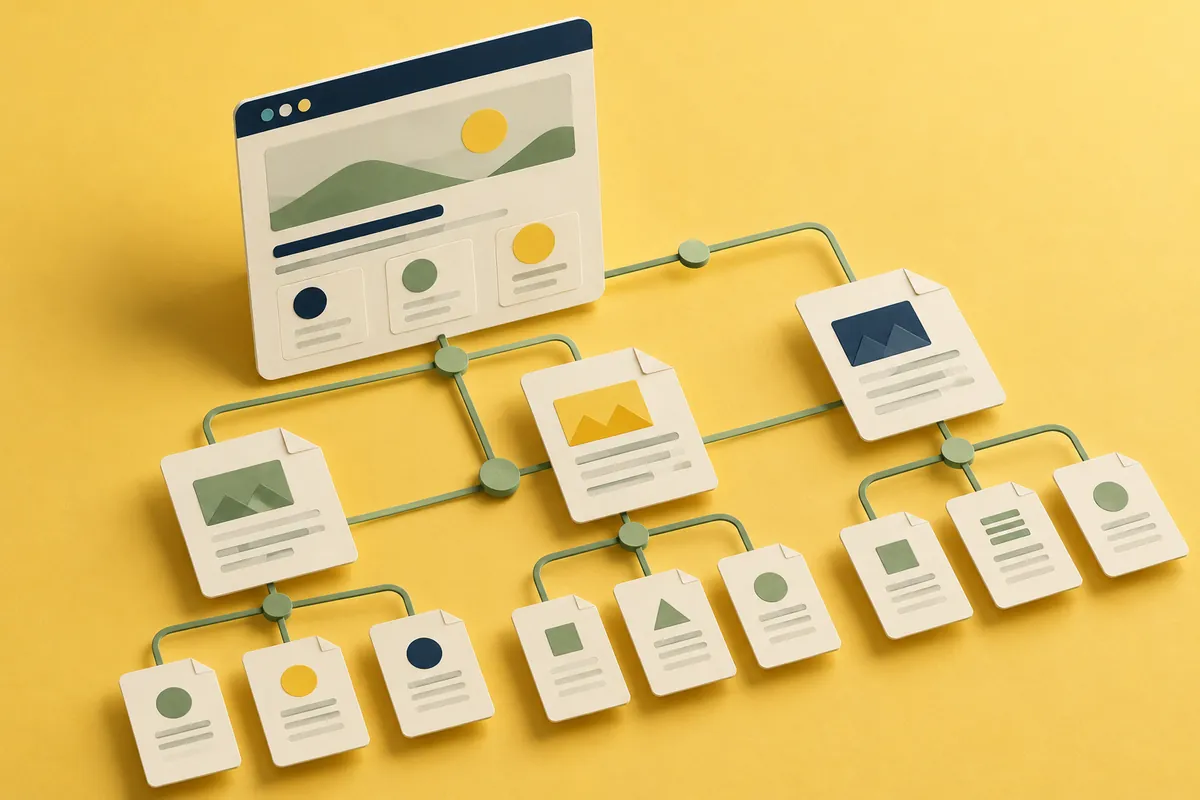
SEO & Digital Growth
What Is Technical SEO?
Understand crawling, indexing, canonicalisation, rendering and migration checks without confusing them with ranking guarantees.
2 min read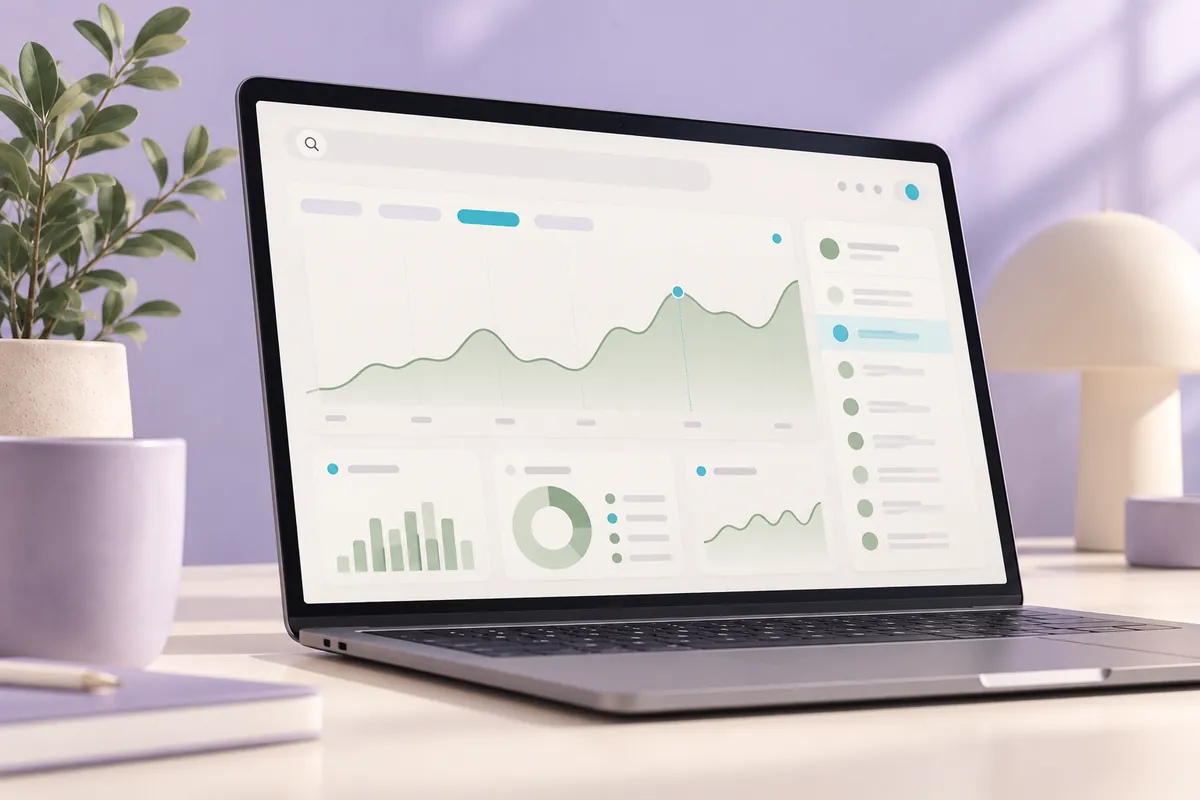
SEO & Digital Growth
How to Use Google Search Console
Use performance, URL inspection and sitemap reports to investigate search visibility without confusing historical and live evidence.
2 min read
SEO & Digital Growth
Understanding Core Web Vitals
Read LCP, INP and CLS correctly, use field and lab evidence, and prioritise improvements on important journeys.
2 min read