
Essential Features of a Business Booking System
Design booking around capacity, time zones, state changes, cancellations and reliable staff operations.
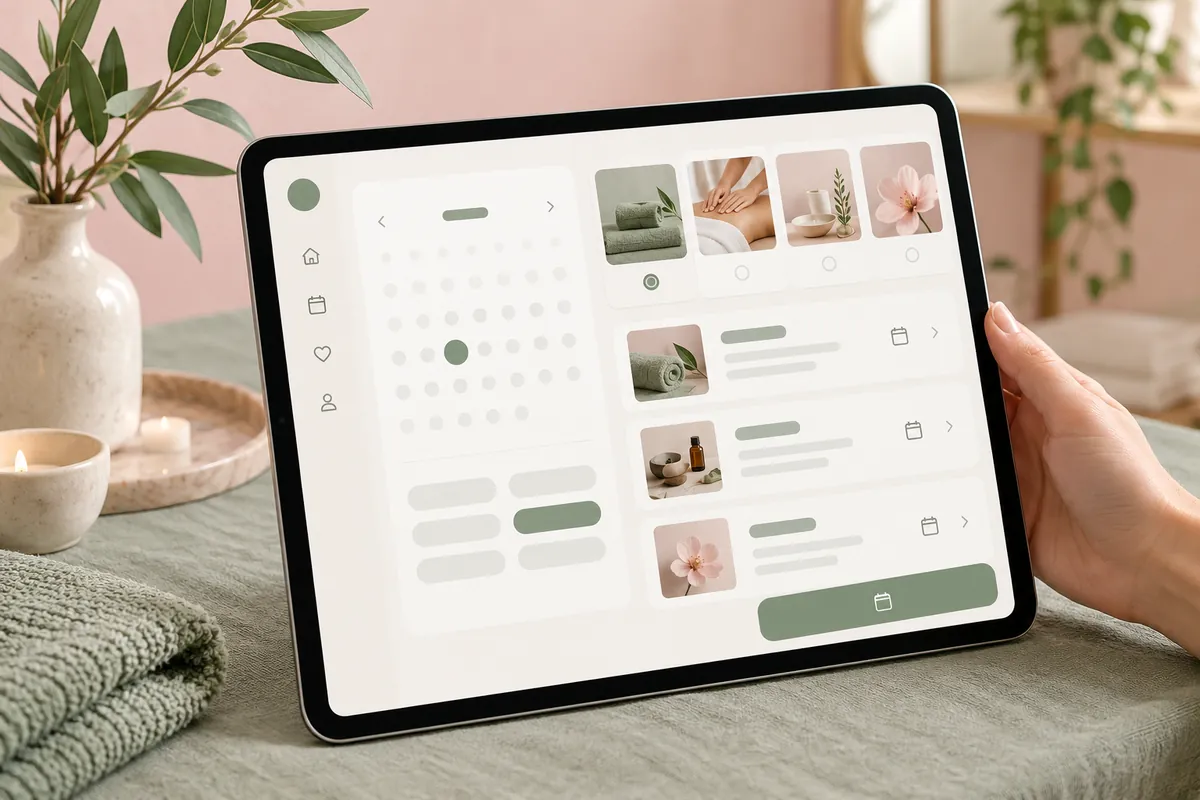
A booking system manages a promise about time and capacity. The calendar is only the visible part. A useful system must prevent conflicting commitments and help staff understand what has actually been reserved, confirmed, changed or cancelled.
Model the resources
Identify whether a booking consumes a staff member, a room, equipment or several resources together. Define duration, preparation time and capacity. A hypothetical clinic may need both a practitioner and a room; checking one calendar alone would be insufficient.
Store time consistently and show the relevant local time clearly. If customers or staff operate across time zones, test daylight-saving transitions where applicable rather than treating every day as a fixed display offset.
Control availability on the server
The slot shown in a browser can become unavailable before the customer submits. Recheck availability at confirmation and enforce the capacity rule with an appropriate transactional or locking design. Disabling a button is not enough to prevent two simultaneous reservations.
Make booking states explicit
| State | Operational meaning |
|---|---|
| Requested | Not yet a confirmed commitment |
| Held | Temporarily reserved under a defined expiry rule |
| Confirmed | Capacity committed under the business policy |
| Cancelled | Capacity released according to the rules |
| Completed or no-show | Recorded outcome, not an active reservation |
If payment is involved, define how payment status and booking status interact. A successful payment response and a confirmed reservation should be reconciled rather than assumed to be the same event.
Support changes and exceptions
Allow authorised staff to reschedule with an audit trail. Explain cancellation conditions before confirmation, send appropriate notifications and stop reminders for cancelled bookings. Keep a manual procedure for an unavailable integration or disputed reservation.
Test the promises
Test duplicate clicks, two people choosing the last slot, expired holds, rescheduling and a lost confirmation response. Reconcile the customer view with staff capacity reports. Custom application delivery should include these acceptance scenarios before launch.
Sources & further reading
Examples and decision frameworks are planning guidance, not guaranteed outcomes. Check current provider requirements before implementation.
Related articles
View all →
Custom Software
What Is Custom Software Development?
Understand when tailored software is justified and what discovery, delivery, ownership and maintenance should include.
2 min read
Custom Software
Custom Software vs SaaS: Which Is Right for Your Business?
Evaluate fit, control, implementation speed, exit risk and total operating effort before buying or building.
2 min read
Custom Software
How Business Dashboards Improve Decision-Making
Build dashboards around decisions, trustworthy definitions, accountable data sources and useful drill-downs.
2 min read