01
Lead intake & assignment
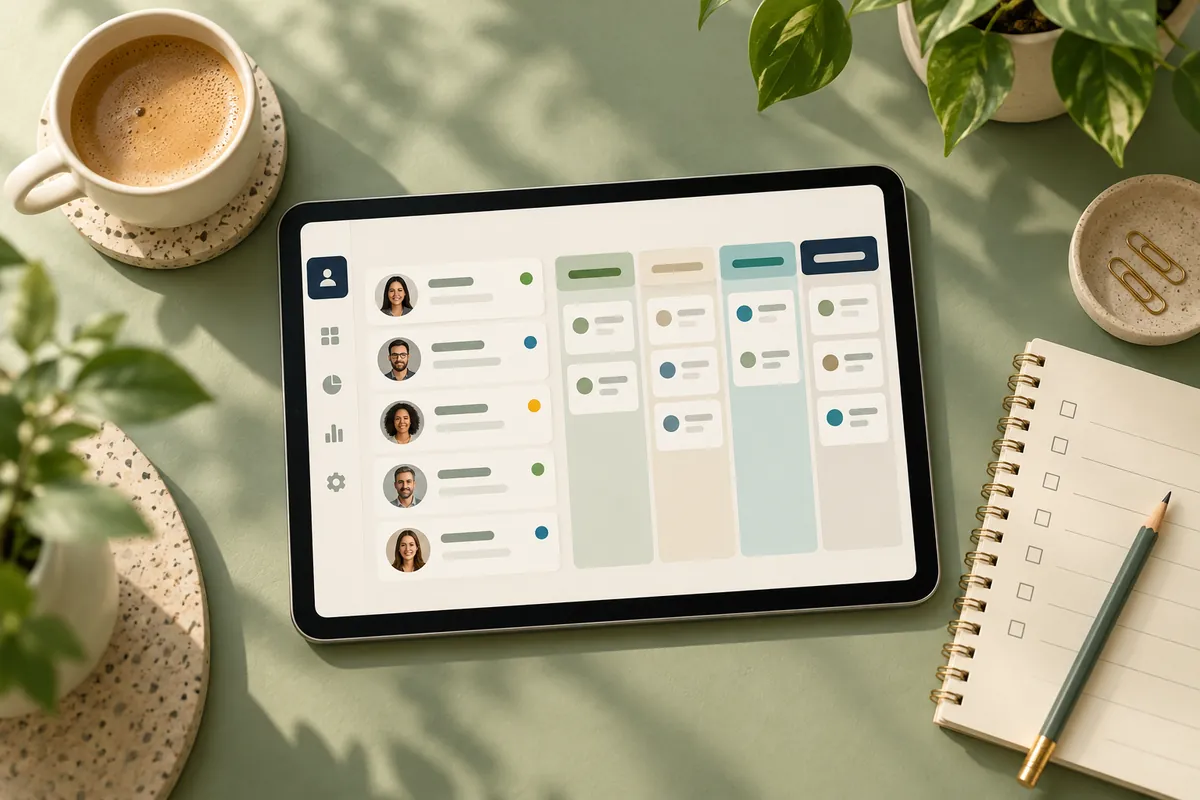
Define lead sources, required fields, duplicate checks and assignment rules so the sales record has a clear starting point.
Custom CRM Development
Bring lead intake, ownership, pipeline stages and follow-up into one considered sales-system brief. Start with how your team sells, not a long feature list.

THE BUSINESS PROBLEM
When leads sit in different places, ownership and the next action can become unclear. Map how an enquiry moves through the team before deciding whether a tailored CRM is the right investment.
WHAT WE CAN PLAN
These are requirements to assess together, not a packaged product or a promise that every feature belongs in your first release.
Define lead sources, required fields, duplicate checks and assignment rules so the sales record has a clear starting point.
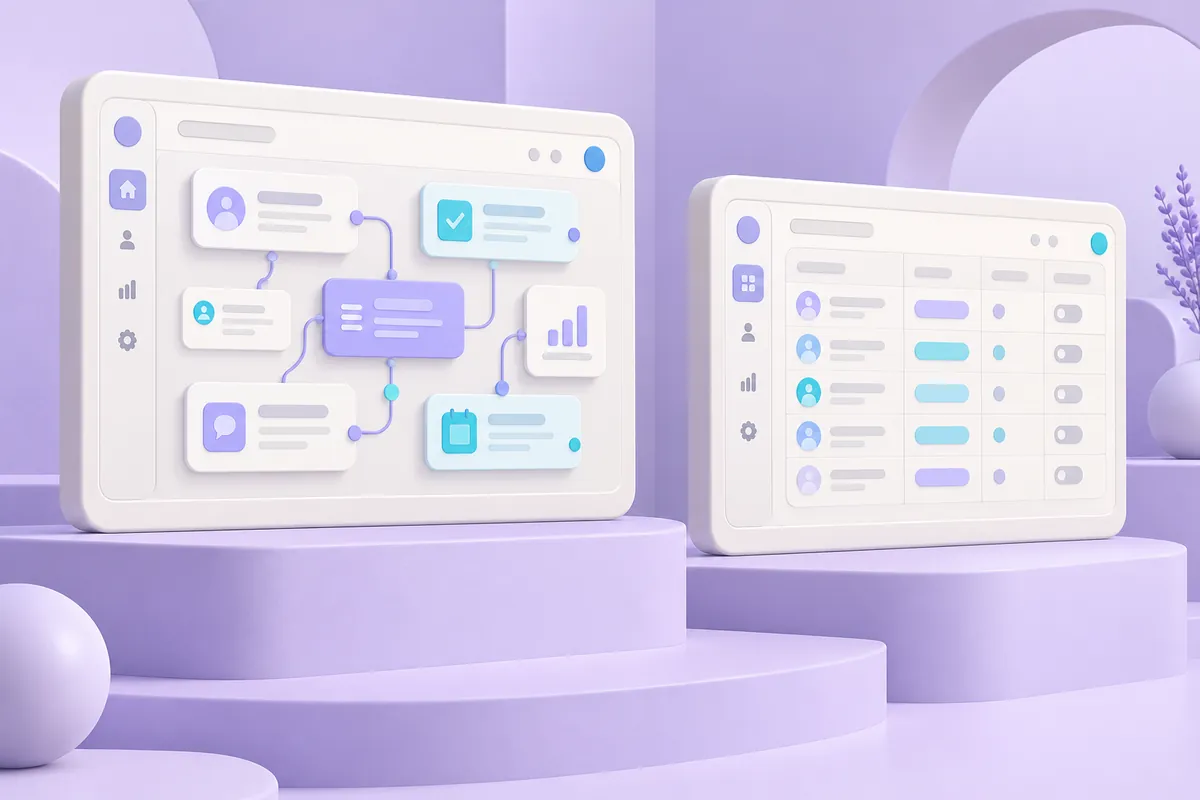
Map sales stages, handoffs, reminders and follow-up activities to the way your team works.
Decide which records each role can view or change, and how contacts, companies and activities relate.
Specify the questions reports should answer, then assess the quality and ownership of any records to migrate.
A PROPOSED PROJECT APPROACH
Identify users, lead sources, stages and the point where responsibility changes.
Review fields, role boundaries, activities and the reports people need.
Assess existing records, migration rules and the first useful release.
Agree representative checks, user review, training and rollout responsibilities.
SCOPE & RESPONSIBILITIES
The sales workflow, data and responsibilities matter more than a single feature count. Prepare these points for a useful conversation.
Define migration checks and user acceptance before rollout. Ongoing support, access and change requests need their own agreed responsibilities.
Discuss the scopeCONTEXT FOR YOUR PROJECT
BUYER QUESTIONS
Consider it when the sales process, data relationships or role requirements do not fit a suitable ready-made product. Compare adoption and operating responsibilities before choosing a custom build.
Yes, describe the stages, entry and exit conditions and responsible people in the brief. The design still needs to be reviewed with the users who will maintain the records.
Identify where records are stored, who owns them and the fields and duplicates that need review. Agree mapping, test samples and acceptance before planning a migration.
First identify the actual gap. Data exchange may belong to Integration, while repeated actions may belong to Automation. A new CRM is not automatically necessary.
Users, permissions, pipeline rules, migration, reports and dependencies all affect scope. A smaller release can be considered if its boundaries and review criteria are clear.
LET’S DEFINE THE NEXT STEP
Tell us how enquiries arrive, who follows up and where the process becomes difficult. Use the existing project brief to describe the requirement.